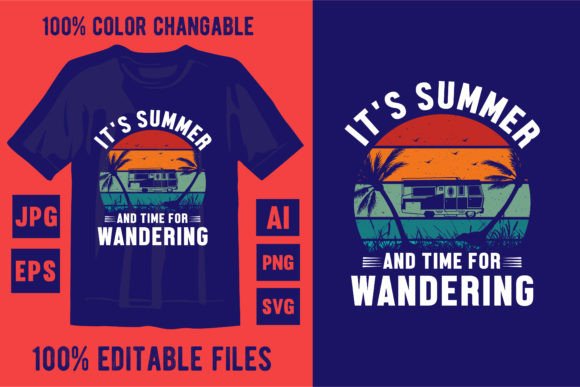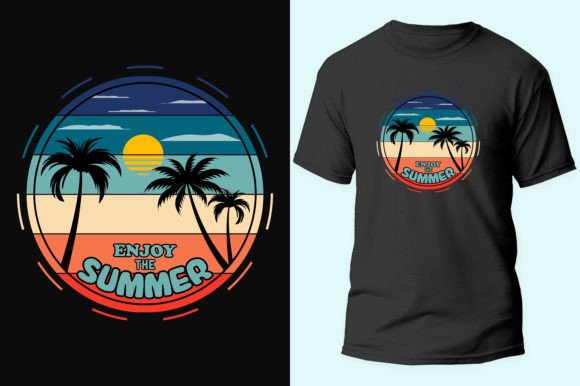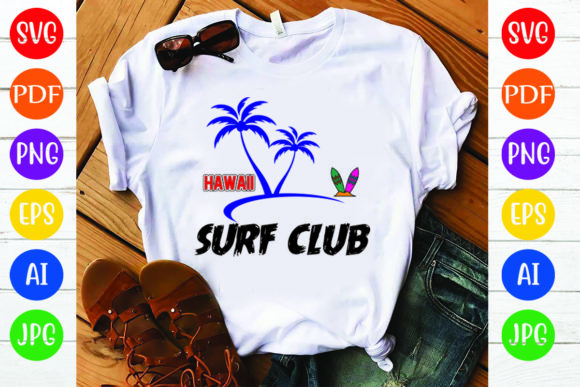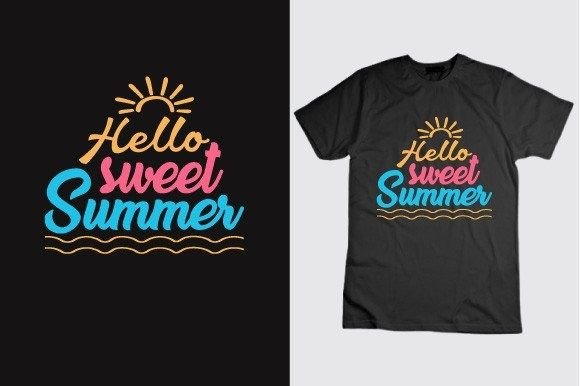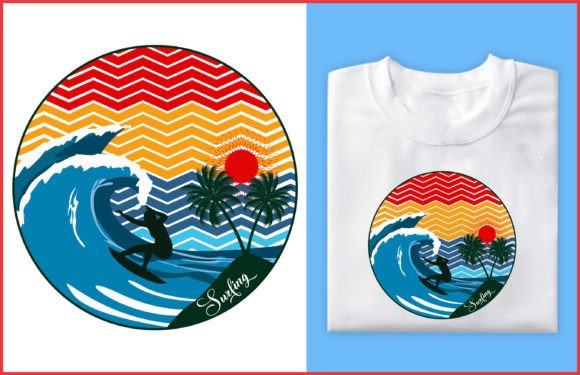
Summer Surfing Beach Vector T-shirt Review
As a professional embroidery digitizer and product reviewer, I approach every new graphic with a specific question: will this actually stitch out cleanly on fabric? When evaluating the Summer Surfing Beach Vector T-shirt design, my first impression is one of vibrant, seasonal energy. The vector style suggests clean lines and bold shapes, which is generally a positive indicator for machine embroidery. Unlike raster images that can become muddy when converted to stitches, vector-based graphics typically translate well into distinct stitch regions. However, moving from a digital screen to a tangible handmade product requires careful consideration of how those crisp digital lines will behave under the needle.
This review breaks down the practical application of this design for fellow makers, Etsy sellers, and apparel decorators who need to know if this asset is worth adding to their production lineup. We aren't just looking at pretty pixels; we are assessing viability for real-world custom apparel and commercial projects.
Translating Vector Graphics to Stitch Reality
The primary advantage of using a vector source like the Summer Surfing Beach Vector T-shirt is the potential for superior edge definition. In embroidery terms, this usually means cleaner satin stitch borders and more precise fill stitch areas. When I look at this design, I see opportunities for color blocking that mimics the original graphic without requiring excessive density. For an embroidery project focused on summer wear, maintaining a lighter touch is crucial. Heavy, dense designs on lightweight summer fabrics are a recipe for puckering and discomfort.
However, "vector" does not automatically mean "embroidery ready." You must verify the stitch density before running a full production batch. If the digital embroidery file was auto-digitized directly from the vector art without manual adjustment, you might encounter issues with jump stitches or uneven coverage. A high-quality conversion should respect the flow of the fabric. I recommend inspecting the design in your editing software to ensure that large fill areas have appropriate underlay and that the thread colors are mapped logically to minimize trims and color changes during production.
Real-World Application: The Beach Tote Test
To truly evaluate this design, I mentally placed it in a specific scenario: creating a premium canvas tote bag design for a coastal boutique client. This context matters because tote bags offer a stable, non-stretchy surface that is forgiving for detailed graphics, yet they require durability for frequent use.
In this scenario, the Summer Surfing Beach Vector T-shirt serves as the central focal point. The bold, graphic nature of the surfing theme works exceptionally well on natural canvas textures. Unlike complex photographic realism, which can get lost on coarse fabric, the simplified vector aesthetic remains legible and striking. For a small shop product, this design offers high perceived value. It feels intentional and branded rather than generic. When stitching this on canvas, I would opt for a cutaway stabilizer to prevent the design from distorting over time as the bag is loaded with beach gear. The result is a finished product that looks professional and withstands the rigors of summer adventures.
Navigating Fabric Challenges and Hoop Limitations
While the design shines on stable goods, caution is necessary when applying it to stretchy or delicate materials. As the name implies, this is originally intended for t-shirts. Lightweight jersey knits present significant challenges for any machine embroidery design. If you plan to use this for sweatshirt embroidery or standard tees, you must account for fabric push-and-pull distortion.
Pay close attention to the hoop size requirements. If the design pushes the limits of your hoop, consider resizing it slightly to allow adequate margin for stabilization. On dark fabrics, ensure the design includes sufficient light-colored elements or outline details to maintain contrast; otherwise, the visual impact diminishes significantly. I would also advise against using this specific graphic for baby embroidery unless you can verify the backside is smooth. Vector conversions sometimes leave long jumps or rough texture on the reverse side that could irritate sensitive skin. Always check the physical sample against the cheek test before selling infant items.
Furthermore, be mindful of tiny lettering often found in surf-style typography. If the text in the Summer Surfing Beach Vector T-shirt design falls below 6mm in height, it may not stitch clearly. In such cases, simplifying the text or replacing it with a blockier font variant is a necessary modification for clarity.
Commercial Viability for Creative Entrepreneurs
For those running a craft business or managing an online store, versatility is key. This design possesses strong commercial potential because it taps into a perennial niche: summer lifestyle. Beyond apparel, consider how this graphic functions as an embroidered patch. Patches allow you to sell the design's aesthetic without committing to a specific garment type, appealing to customers who want to customize their own denim jackets or backpacks.
When creating listings, utilize printable mockup tools to showcase the design on various blanks. However, nothing builds customer trust like photos of actual stitched samples. Showcasing the texture and sheen of the threads proves that your design assets are production-ready. For Etsy seller success, highlight the specific applications where this design excels. Instead of just listing "surf shirt," describe it as "perfect for beach vacation tees" or "coastal wedding party gifts." This specificity helps buyers visualize the personalized gift potential.
Always confirm licensing before scaling up. Ensure your purchase of the T-Shirt Designs grants rights for the intended volume of sales, whether that’s limited edition runs or mass production. Respecting intellectual property protects your business reputation and ensures sustainable growth.
Essential Pre-Production Checklist
Before you commit to a full run of merchandise featuring the Summer Surfing Beach Vector T-shirt, adhere to these professional best practices:
- Test Stitch First: Never skip the sample run. Use scrap fabric that matches your final product's weight and weave to identify tension issues.
- Verify Stabilizer Pairing: Match your backing to the fabric. Use tear-away for stable caps and towels, but switch to poly-mesh or fusible cutaway for knits and performance wear.
- Audit Small Details: Zoom in on the embroidery file to check for open gaps between satin columns or overlapping fills that could cause needle breaks.
- Check Color Contrast: View the design in grayscale to ensure tonal separation exists independent of color. This guarantees readability on all fabric shades.
- Review Washability: If making holiday embroidery or items meant for heavy use, test wash the sample to ensure the running stitch details don't pull out and the design doesn't shrink differently than the base fabric.
- Confirm File Integrity: Since specific formats weren't listed in the product description, verify you have the correct format for your machine brand before purchasing.
Final Thoughts on Design Utility
The Summer Surfing Beach Vector T-shirt represents a solid foundation for seasonal inventory. Its vector origins promise clean aesthetics, but its success depends entirely on your technical execution. By treating this Graphics asset as a starting point rather than a finished solution, you elevate your work from hobbyist to professional. Whether you are crafting a signature custom apparel line or fulfilling a specific client request, applying these critical evaluations ensures your embroidery stands out for its quality, durability, and thoughtful construction. Remember, in the world of textile art, the best design is one that respects both the medium and the maker.